

Credit: Jon Tyson
Earlier this year, we began asking patients to share their feedback about their experiences accessing and interacting with Magenta Health. We wanted to understand what’s working well, where patients are experiencing challenges, and where we should focus our efforts to improve services as part of our <Better Care/> campaign.
If you missed our original post about why we launched the surveys and how patient feedback fits into our broader approach to improving care, you can read more about why we asked for your feedback here.
Patients were invited to answer survey questions following check-in for an appointment, both in person and online. Across the survey period, we received 7,977 in-person responses and 28,631 online responses so far — more than 36,000 in total.
Thank you to everyone who took the time to answer our questions and share your thoughts. Your feedback helps us better understand what matters to our patients and informs the decisions we make about where to focus our time, resources, and ongoing improvement efforts.
This is the first round of survey results, and several clear themes are already coming through — particularly around access and appointment availability, patient education, and navigating our digital tools and services.
Below, we’re breaking down what you told us, what we heard, and how we’re using that feedback to guide what comes next.
Access and appointment availability
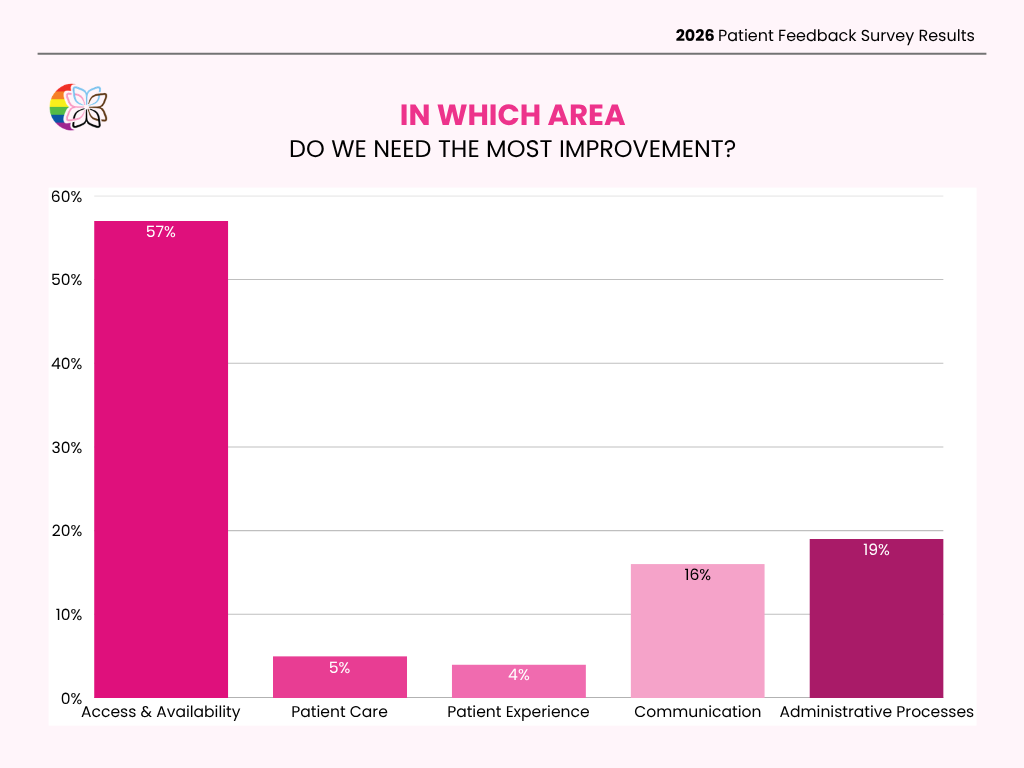
One of the clearest themes in the survey was the importance of access to care.
When asked where Magenta Health needs the most improvement, access and availability was the top response, with more than half of respondents selecting it.
We heard a clear message: being able to access care when you need it matters. Patients want more ways to get the care and support they need, and they want those options to fit more easily into their lives.
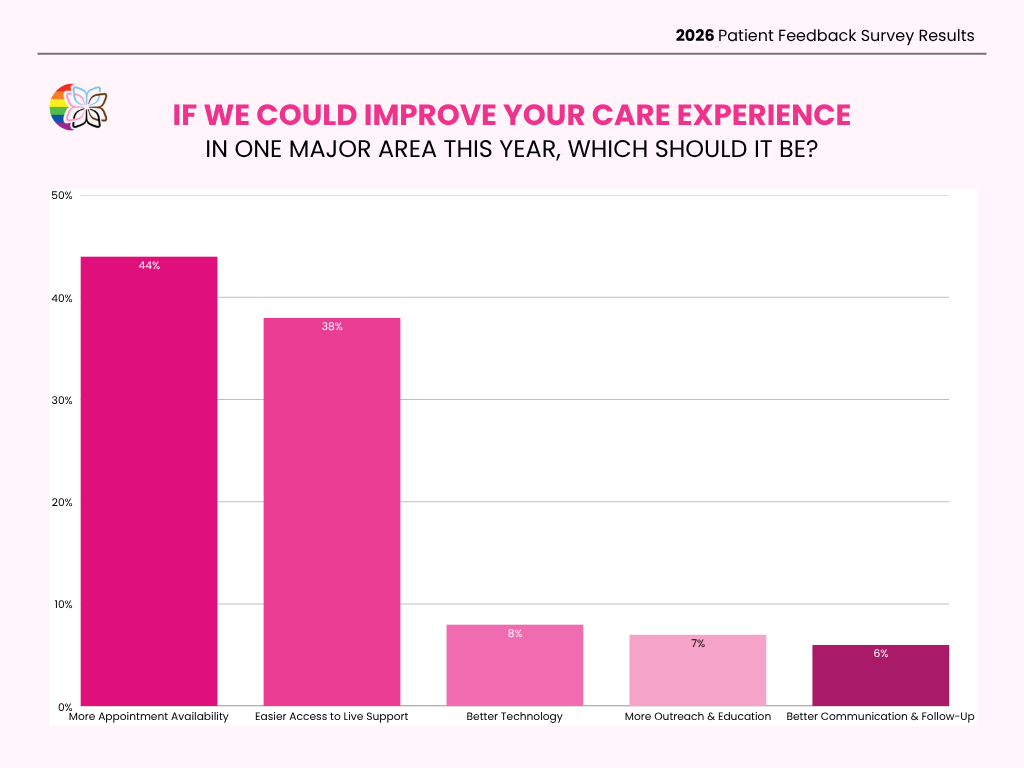
That came through again when we asked patients what we could improve about their care experience. Increased appointment availability and easier access to live support were the top two most common priorities.
Flexible options for accessing care
We also saw that the type of appointment can affect how easily patients access care.
For in-person appointments specifically, 75% of respondents said they need to take time off, and 38% said they sometimes or always lose income to attend.
Phone and video appointments can help bridge some of that gap. 44% of respondents said they never need to take time off for phone or video appointments, while only 20% said they sometimes or always lose income to attend one.
For patients balancing work, income, caregiving, and other responsibilities, having the flexibility to attend an appointment by phone or video can make a meaningful difference. In fact, 57% of respondents said these appointments are very valuable and improve their access to care.
We hear you on the need for greater access and appointment availability. We’re actively looking at ways to make it easier to get an appointment, while continuing to offer different ways to connect with your physician.
Patient education and awareness

Credit: Thea
Another clear theme was the opportunity to ensure patients know what resources, services, and processes are available to them — and how to use them.
The survey showed that there are several areas where patients may not be aware of information or tools that can help them navigate their care, including:
54% of respondents weren't aware they could follow up on outstanding test results through their doctor's homepage.
42% weren't aware that patients are responsible for closing the loop on all tests and results.
86% weren't aware that Magenta offers six hours of live phone support on weekdays, Monday through Friday.
21% weren't aware that their doctor usually wants to see them before renewing a prescription.
Some of these resources and processes already exist, while others may benefit from clearer explanations or step-by-step guidance. Overall, the feedback showed us that patients need information that’s easy to find, easy to understand, and clear about what to do next.
Based on what we heard, we’re developing new patient education resources and walkthroughs that explain topics like how to follow up on test results, how to contact your clinic, and how to renew a prescription.
You can also check out our new Immunization Resource Hub for an all-in-one guide to vaccines, immunization records, and trusted public health resources in Ontario.
Making support and resources easier to find
Beyond these resources, we’re looking for more ways to help you get the support you need when questions come up.
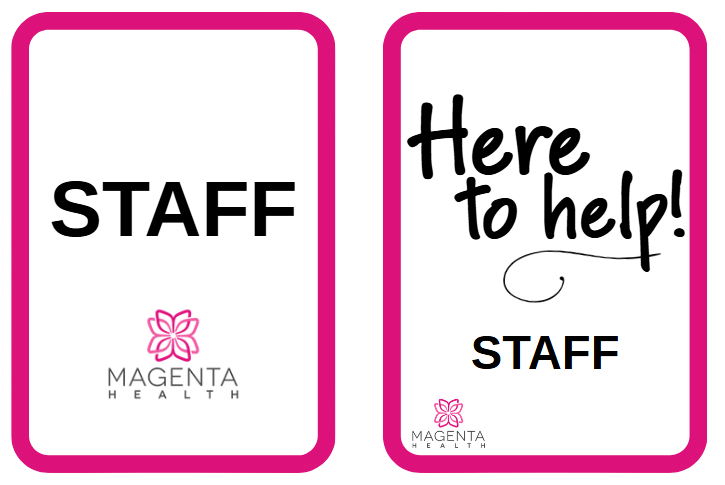
For example, we’re making it easier to spot staff in our clinics who can help with administrative questions. Look for the pink lanyards that say “Staff” if you need help when you’re visiting us.
We also want to be more proactive about sharing useful resources and information, so patients can learn about them before they need them. One way we’re planning to do this is through a seasonal patient newsletter that brings together new resources, updates, and important announcements in one place.
If you missed our latest newsletter, you can read our summer edition here — and keep an eye out for our next newsletter this fall!
Digital experience
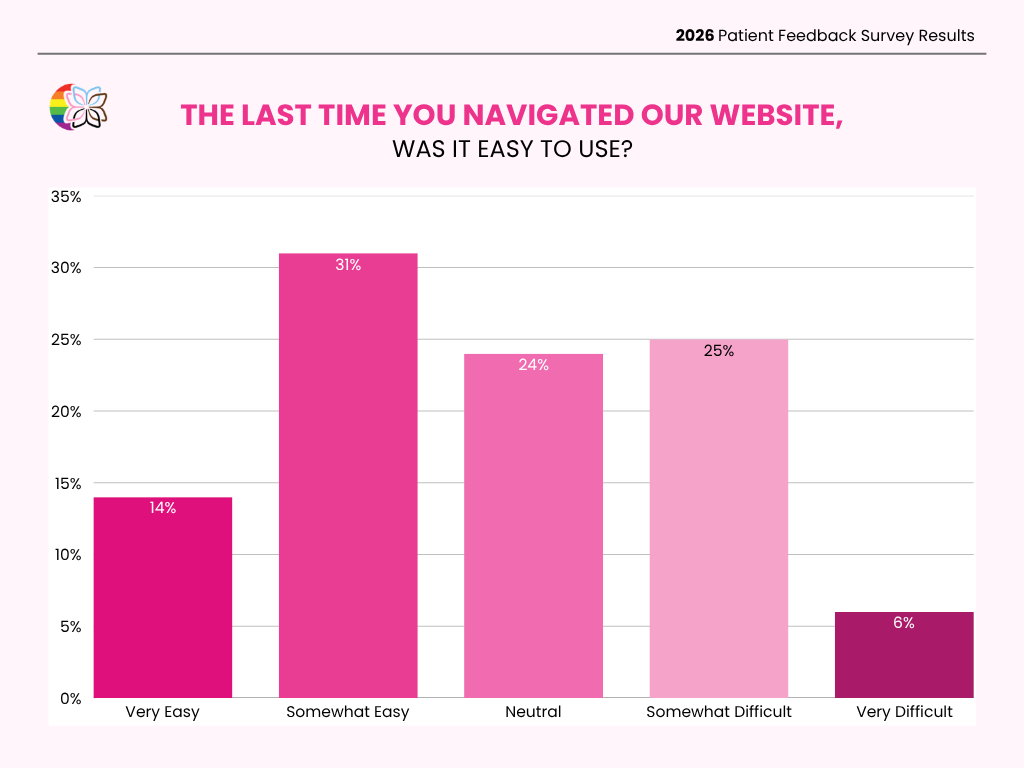
We were glad to hear that most respondents reported having no technical issues during their recent digital interactions with us. At the same time, the feedback showed us there’s still room to make the digital experience smoother.
When we asked about navigating our website, the responses were more mixed. Some patients found it easy to find what they were looking for, while others had a harder time.
We know there’s still room to make finding information and completing common tasks feel more intuitive. Behind the scenes, we’re always improving our digital front door and electronic medical record (EMR) — and we’re creating new tutorials and resources to help patients navigate these tools with more confidence.
We’ll keep building on this work to make it easier to access the information and services you need online.
WHAT'S NEXT?
The survey gave us a lot to think about — and this is just the beginning. We’re taking a closer look at the responses and looking for additional themes that can help us understand what matters most to our patients.
As part of our <Better Care/> campaign, we’ll continue listening to what patients have to say and using their feedback, along with other sources of information, to guide our priorities and make meaningful improvements to the care experience.
Most importantly, thank you again to everyone who took the time to share your feedback. Whether you told us what was working well, pointed out something that caused friction, or suggested an area where we could do better, your input gives us a clearer picture of what’s important to the people we care for.
We’re excited about what’s ahead and will keep building on what we’ve learned to help shape better care for our patients, both now and into the future.