
In our clinics, we see technology as a key part of making healthcare more accessible and responsive to patient needs.
Our electronic medical record (EMR) plays an essential role in how care is delivered. It’s where patient information enters, is reviewed, and securely stored — but it also supports many of the day-to-day functions that keep clinics operating, from appointment scheduling and internal communication to coordinating follow-ups, referrals, and ongoing care.
Without it, primary care delivery would not function, and improvements to the system directly impact how patients access care.
By investing in these systems behind the scenes, we’re working to reduce barriers, support more flexible care options, and help every patient connect with the care they need in ways that work for them.
REDUCING BARRIERS THROUGH VIRTUAL AND FLEXIBLE CARE
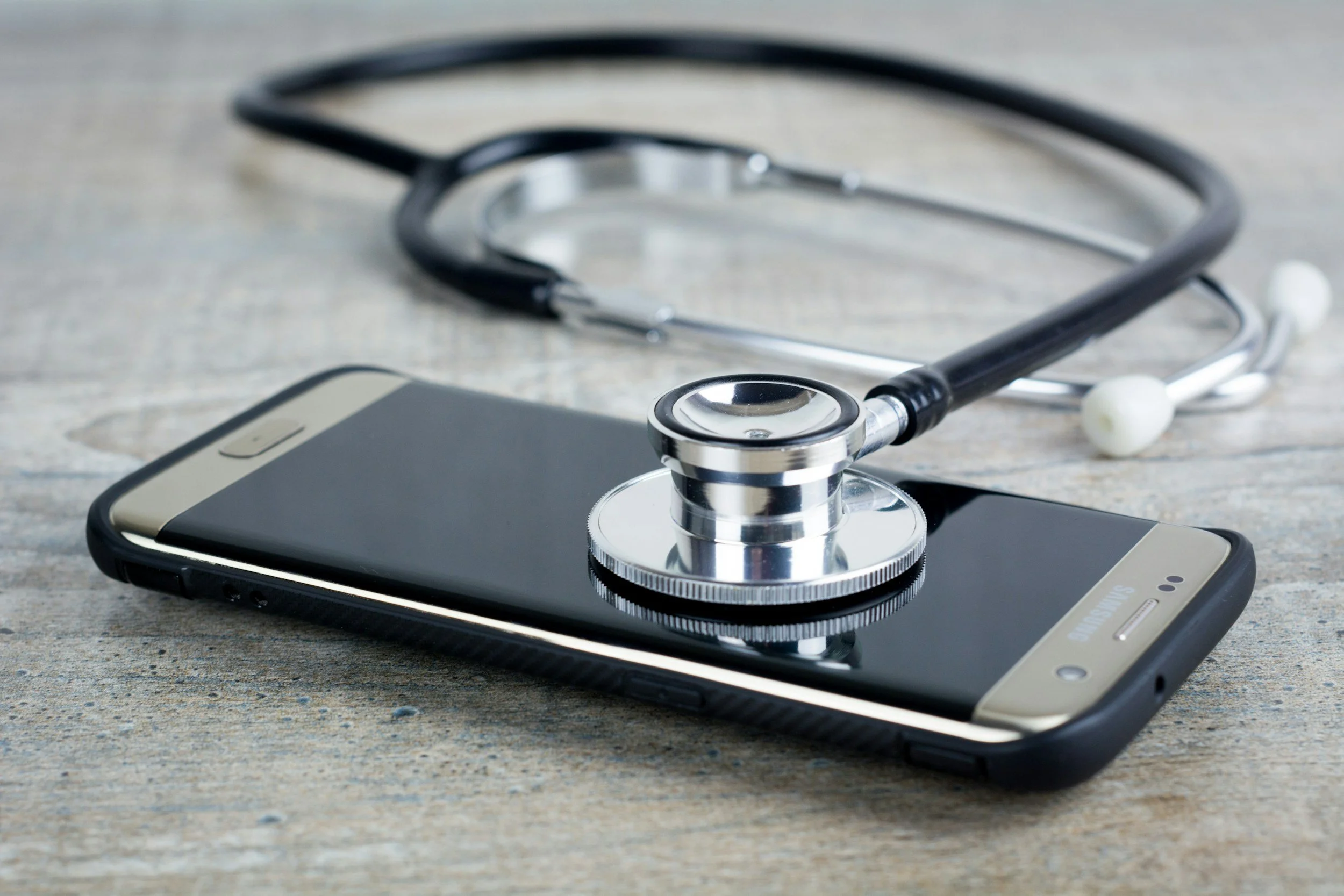
Credit: Bermix Studio
One of the most meaningful ways technology supports access is by making care more flexible.
Primary care doesn’t always require an in-person visit. In many cases, interactions can be handled through alternative pathways, depending on the clinical context.
Our EMR supports tools that help patients access care in a range of ways, including:
Secure electronic messaging with their care team
Virtual appointments when appropriate
Requesting prescriptions without an appointment
Requesting insurance documentation or medical forms
Accessing vaccination records or support for applications such as school or daycare
These options can make a significant difference for patients facing barriers such as:
Mobility or transportation challenges
Work or caregiving responsibilities
Geographic distance from clinic locations
Time constraints that make in-person visits difficult
We’re also continuing to refine how virtual care is used in practice. As a team, we’re learning what works well in a virtual setting and where in-person care is more appropriate.
For example, follow-ups and check-ins often work well virtually, while new or more complex concerns may be better suited to in-person visits. This ongoing learning helps ensure that virtual care supports access without compromising quality.
Messaging and virtual care tools also support continuity of care. Automated messaging helps keep patients informed, ensures important updates are received, and provides timely reminders for preventive care when appropriate. This reduces missed communication and improves follow-through between visits.
Together, these care pathways help make it easier for patients to access care in ways that fit their needs and daily lives, while also supporting clinicians in delivering care more effectively.
IMPROVING ACCESS THROUGH BETTER NAVIGATION
Access also depends on how easily patients can find and navigate the care they need.
We’ve done significant work to build and continuously improve our Digital Front Door (DFD), making it easier for patients to access services through our website.
For example, patients can request services such as cancer screening through the DFD, which is connected to our EMR. The system can check whether a patient is due for a mammogram or cervical cancer screening and guide them accordingly — whether that means booking an appointment or confirming they are already up to date.
This reduces the need for phone calls or in-person visits just to access information, and helps ensure patients are directed to appropriate care with up-to-date guidance on what they need and when.
TECHNOLOGY THAT SUPPORTS BETTER ACCESS

Credit: National Cancer Institute
The EMR is central to nearly every part of a patient’s care journey, from booking appointments and documenting visits to reviewing results and managing follow-ups.
While no system can solve all access challenges in healthcare, thoughtful design can reduce barriers, improve communication, and help patients connect with care more reliably.
Across Canada, many family physicians are working with decades-old systems that slow them down and increase their administrative workload. This affects access, quality of care, and the overall patient experience.
This is one of the challenges we address through our <Better Care/> campaign — an ongoing effort to improve the shared open-source EMR system used in our clinics and beyond.
By continuing to invest in modern healthcare infrastructure, we’re building toward a system that better supports clinicians in delivering care and better supports patients in accessing it.
To learn more about recent improvements to our EMR, explore our latest updates here. And if you’d like to support this work, you can learn more about <Better Care/> here.