
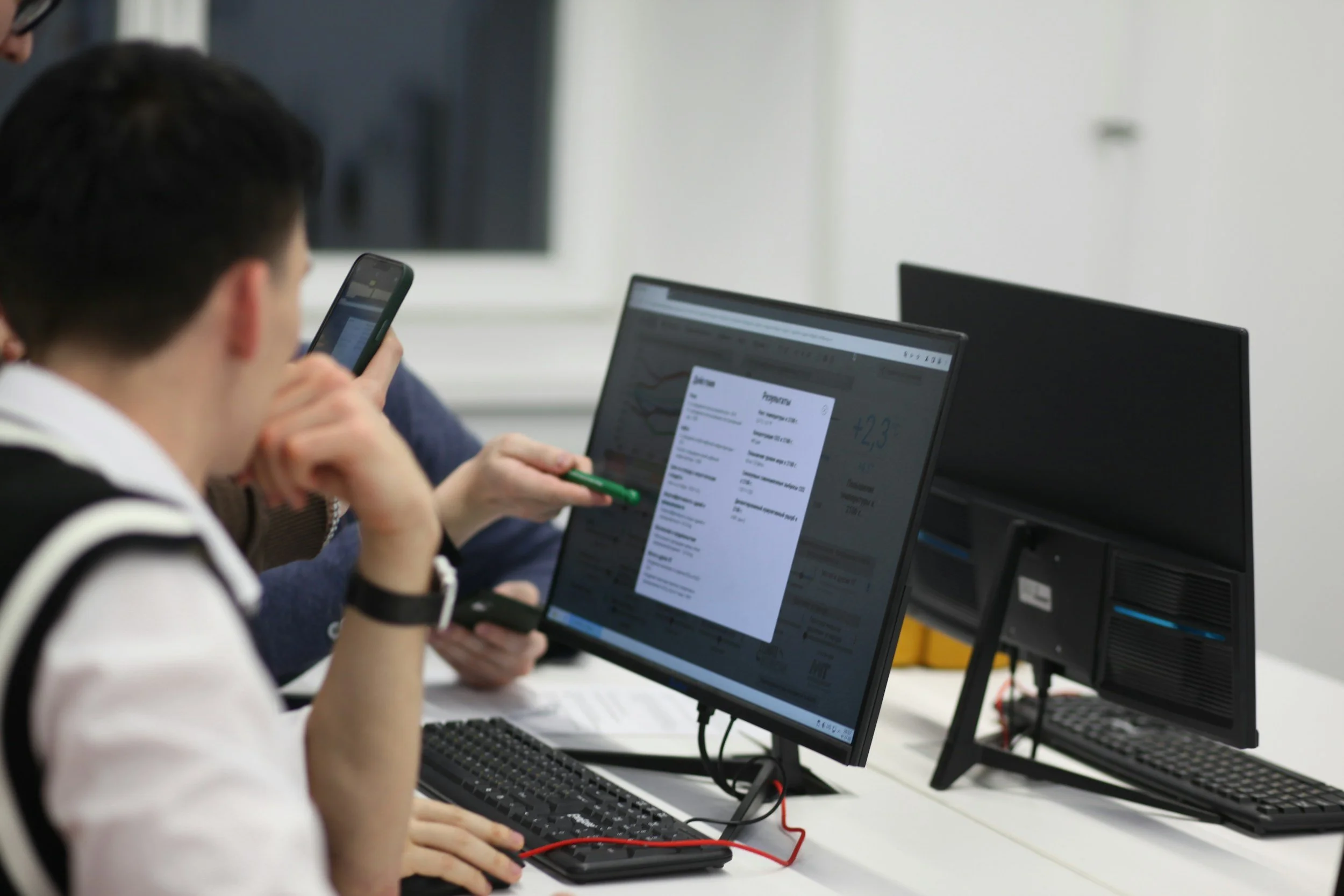
Credit: Anastassia Anufrieva
At Magenta Health, we believe that building better healthcare technology starts with investing in the people who create it.
In a broader tech landscape increasingly focused on reducing headcount and automating work, we’ve taken a different approach — one that prioritizes growing the ecosystem of health IT professionals who will help shape the future of clinical care.
This is especially important in healthcare technology, where the talent pool is small, and the systems are complex, long-lived, and shaped by real-world clinical workflows.
Our electronic medical record (EMR) is one of these systems. It is continuously evolving, and a key part of that evolution involves bringing in co-op students and early-career professionals to contribute directly to its development.
On our team, co-op students work on a large, long-standing open-source EMR used across clinics in Canada. Through this approach, we’re intentionally investing in people and technology — building systems that support better patient care while developing the next generation of healthcare technology talent.
LEARNING THROUGH REAL SYSTEMS
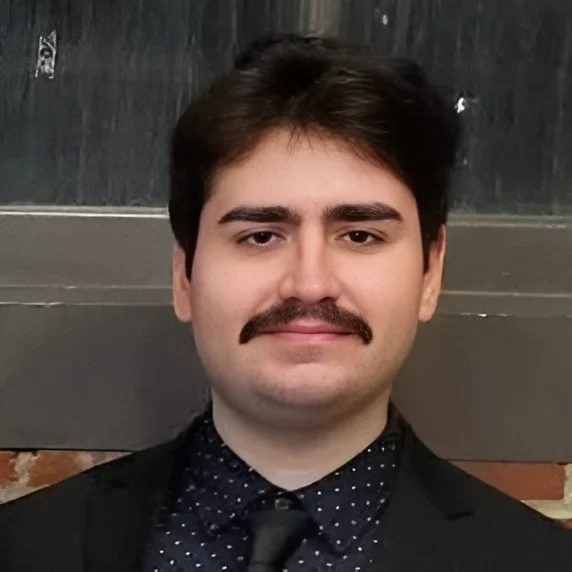
Credit: Liam Stanziani
One recent co-op student, Liam Stanziani, joined us after working in a different software environment focused on educational simulation tools.
Initially drawn to the opportunity by our EMR’s open-source nature and its real-world impact, he began a four-month term working on system improvements.
Throughout his co-op, Liam contributed to a range of practical enhancements across the EMR, including improving e-form functionality, strengthening system security features, and supporting ongoing bug fixes and updates.
Many of these improvements are shaped by feedback and suggestions from our clinicians and care teams, which the software team translates into practical changes within the EMR.
The EMR reflects more than two decades of contributions from developers with a wide range of backgrounds, giving students insight into how real systems evolve through many hands, and how past decisions continue to shape the platform they are building on today.
This creates a unique co-op learning environment, where students see firsthand how complex healthcare systems are continuously refined in practice, and how design choices can directly impact care delivery.
Liam has since transitioned into a full-time role at Magenta Health, where he continues to contribute to ongoing EMR development as part of the team.
In his current role, he has worked on connecting e-forms to clinical “ticklers” — task reminders used by care teams to manage follow-ups. This integration helps ensure that follow-up actions can be created directly from submitted forms.
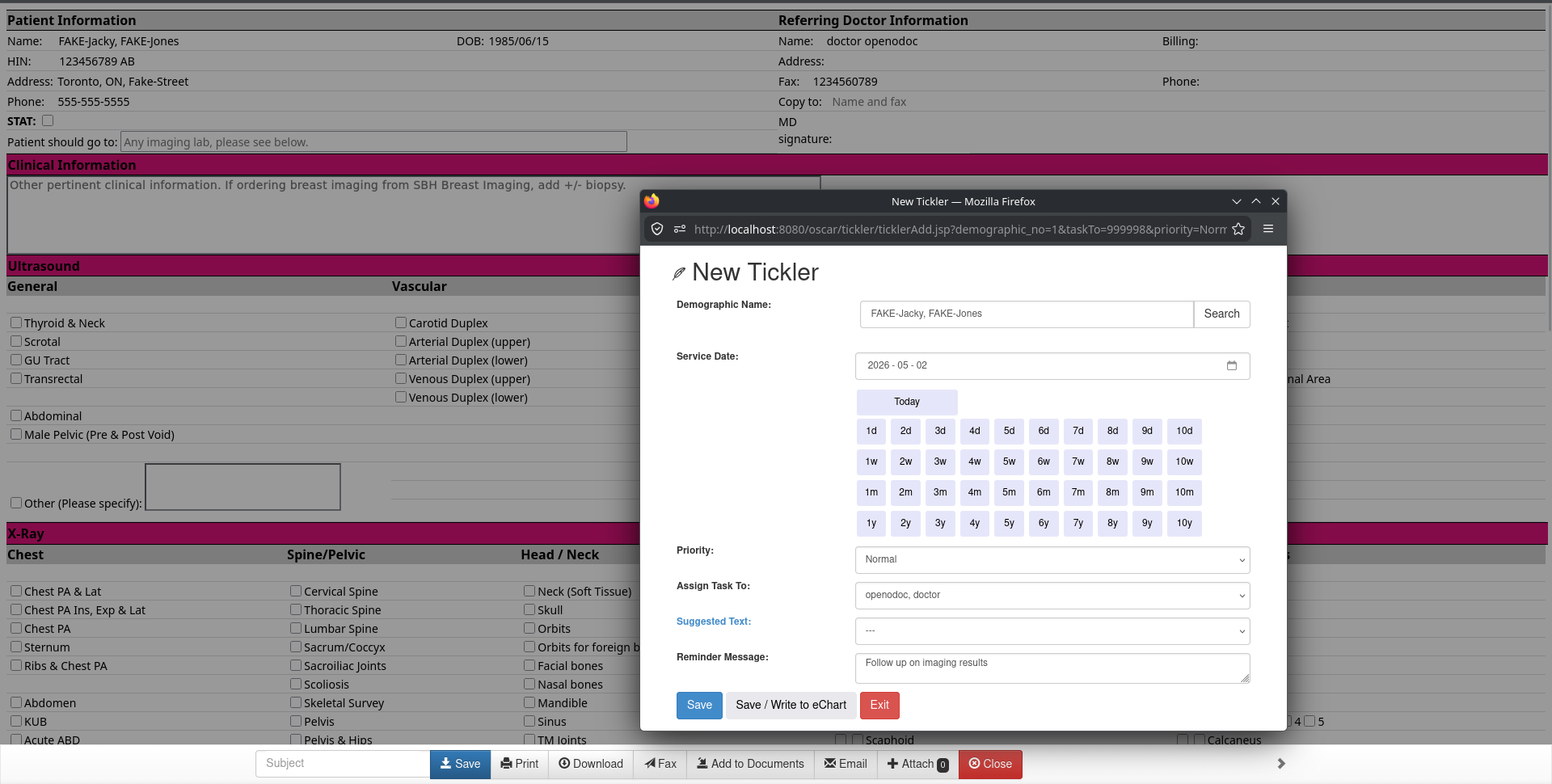
Upcoming release to the EMR. Credit: Liam Stanziani
He has also built an upcoming enhancement that builds on this workflow: when a clinician submits an e-form (such as a lab requisition), the system will automatically open the “Add Tickler” window, making it easier to create follow-up reminders at the point of submission. This helps reduce the chance that follow-up steps are missed.
He also continues to work on enabling secure sharing of provider documents within e-forms to support collaboration across clinicians, along with ongoing security improvements across the EMR.
Learn more about how we build and improve our EMR at Magenta Health here.
SUPPORT AND MENTORSHIP
Throughout the co-op experience, students are supported through close collaboration with senior team members.
This includes structured check-ins, day-to-day touchpoints to discuss progress and challenges, and ongoing mentorship from experienced developers and technical leads.
Students also have opportunities to connect directly with leadership, including our co-founders, gaining broader insight into how technical projects and decisions align with clinical and organizational priorities.
In some cases, this experience extends beyond a single term.
We’ve had students continue working with us in full-time roles, where support evolves alongside their responsibilities and remains grounded in a collaborative, team-based approach.
MUTUAL VALUE: BUILDING AND LEARNING

Credit: Andrew Moca
Co-op programs at Magenta Health are designed as a two-way investment.
Students gain hands-on experience working on real healthcare infrastructure, while the organization benefits from fresh perspectives, technical contributions, and the curiosity that early-career developers bring.
This model also allows us to expand the capacity of our team, helping us continue investing in EMR improvements while supporting meaningful learning opportunities for students.
This is especially important in healthcare technology, where demand for skilled developers continues to outpace supply, and where growing future talent is essential to sustaining and improving complex clinical systems.
We welcome talent from a wide range of backgrounds, recognizing that strong technical contributors — including those who have trained or built experience outside of Canada — play an important role in advancing healthcare systems.
Bringing in new talent helps strengthen the system today and supports the development of the next generation of healthcare technology professionals.
LOOKING AHEAD
As the healthcare landscape continues to transform, the intersection of clinical care and technology will only become more important.
Co-op programs are one way we’re supporting this shift — helping to build talent, strengthen systems, and contribute to the ongoing evolution of an EMR that clinicians and patients across Canada rely on every day.
This work is part of our broader <Better Care/> campaign, focused on continuously improving the open-source electronic medical record that supports nearly every part of care.
Through ongoing EMR development, we’re working to create safer, more reliable, and connected infrastructure for healthcare delivery.
To see some of the recent improvements we’ve made to the EMR, explore our latest updates here. If you’re interested in contributing to this meaningful work, you can support our EMR efforts here.