
DO YOU NEED AN ANNUAL PHYSICAL? HERE’S WHAT TO FOCUS ON INSTEAD
Looking for an HPV test only?
If you don’t need a full preventative health check, please book an HPV test (previously called a Pap test) here.
Otherwise, read on to learn about our updated approach to annual physicals and how to focus on the most impactful preventive care.

Many patients ask us about booking an annual physical, check-up, or periodic health exam.
You might be thinking about scheduling one for a few common reasons:
You want to live longer.
You want to be proactive about your health.
A recent health scare in your family has made you think about prevention.
You want to make sure you’re doing everything you can to stay healthy.
These are all great instincts.
But the traditional annual physical exam is no longer considered the best way to achieve those goals.
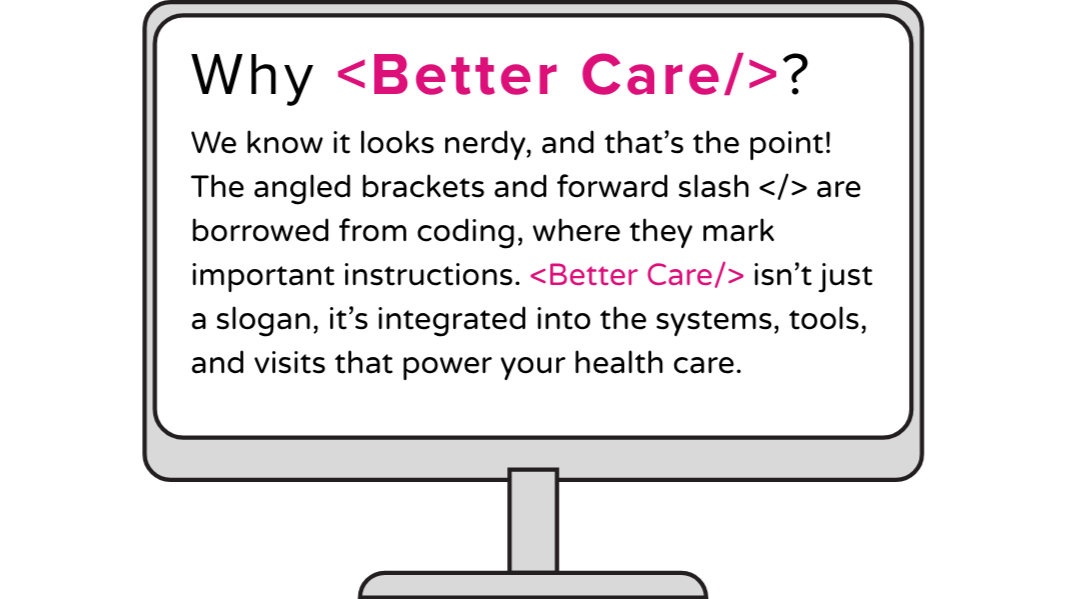
Instead, there are a few proactive steps you can take to support your long-term health — and they help us provide you with <BetterCare/> at every visit.
This page is for patients who:
Are looking for an annual physical or check-up
Want to invest in their health
Feel generally well, but want to know what steps have the biggest impact on longevity
This page is not for patients who:
Have a new or concerning symptom
Need urgent medical advice
Want to discuss a specific health issue
If you have a specific symptom or health concern, please book a regular or urgent appointment.
Why We Don’t Offer Traditional Annual Physicals
Credit: Markus Spiske
Large national organizations like Choosing Wisely Canada recommend against routine annual health exams for people without symptoms.
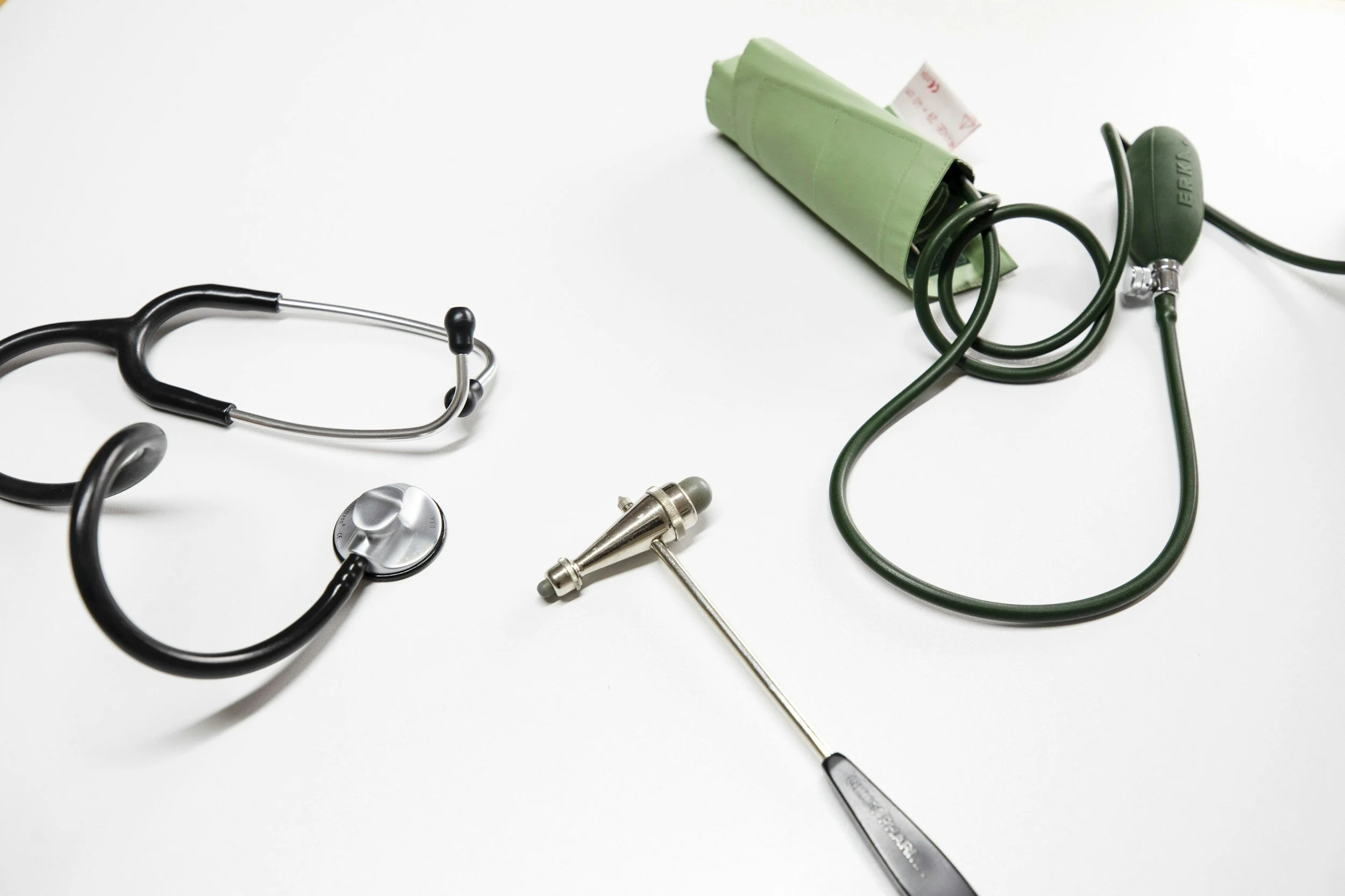
Research shows that performing a full physical exam every year — listening to the lungs, checking reflexes, and running tests when there isn’t a specific concern — does not significantly reduce disease or extend life for most people.
That doesn’t mean we don’t want to see you.
If you have specific symptoms, health concerns, or questions, you should absolutely book a regular or urgent appointment.
But if you’re feeling well overall and simply want to invest in your long-term health, other approaches tend to deliver a greater benefit, making better use of both your time and healthcare resources.
What Should You Focus on Instead?
Preventive care is a combination of actions and interventions that reduce health risks over time and help you stay healthy for the long term.
To make this easier to think about, we’ve grouped preventive health into three tiers based on potential health impact.
Tier 1: The Highest Impact Changes
These interventions prevent the largest number of early deaths and serious illnesses.
-
For most people, smoking is the single largest preventable cause of early death.
Smoking is associated with:
Up to 16× greater risk of lung cancer
4-6× greater risk of heart disease
Increased risk of many other cancers
Erectile dysfunction
If you smoke, reducing and eventually quitting smoking is likely the most important health decision you can make.
We offer and prioritize dedicated visits to support patients who want to reduce or quit smoking.
If you’d like help quitting or reducing smoking, please search for “Quit smoking” on the booking page to schedule a tobacco cessation appointment and explore helpful resources.
-
If you are struggling with alcohol or other substances such as opioids (e.g., fentanyl), cocaine, methamphetamines, or cannabis, support is available.
You can book an appointment with us to discuss your treatment and support options.
We also encourage patients to connect with a local RAAM clinic (Rapid Access Addiction Medicine). These clinics offer low-barrier access to addiction care and treatment.
Tier 2: Important Preventive Care
The following interventions help detect or prevent common diseases before they become more serious.
-
Screening can help detect cancers early, which may make treatment more effective and improve long-term outcomes. At Magenta Health, we generally encourage patients to follow Ontario’s recommended cancer screening guidelines while also considering their personal and family medical history.
Common screening programs include:
Breast cancer screening: If you’re age 40 or older, you’re encouraged to self-refer for OHIP-covered mammograms. For those aged 40 to 74 at average risk, the Ontario Breast Screening Program (OBSP) recommends a mammogram every 2 years. If you are 30 to 69 years old and confirmed high risk, you may need earlier or more frequent screening, such as a mammogram with an MRI or ultrasound every year.
High-risk factors may include a family history of breast, ovarian, prostate, or pancreatic cancer, a personal history of radiation to the chest (especially below age 30), or known genetic mutations that increase cancer risk (e.g., BRCA1, BRCA2, TP53, PALB2). Individuals may also be considered high risk based on genetic counselling, prior risk assessments, or a strong personal or family history suggestive of a hereditary cancer syndrome.
To check eligibility for routine breast cancer screening, you can search for “mammogram” on the booking page and complete a short questionnaire to determine next steps.
If you think you may be at high risk or require screening that you cannot self-refer for, please book an appointment to discuss which breast cancer screening options are best for you. You can also learn more about breast cancer screening here.
Cervical cancer screening: You may be eligible if you’re 25 or older, have a cervix, and have ever had sexual contact with another person. To book, please search for “Cervical cancer screening” or “HPV test” on the booking page to schedule the appropriate appointment.
If you’re unsure whether you need screening or think you may be at higher risk, please book an appointment with us to discuss your situation. Read through Ontario’s guidance on cervical cancer screening here.
Colorectal cancer screening: Colorectal cancer includes cancers of the colon (the large bowel) and rectum (the last six inches of the colon). It’s sometimes called colon cancer or bowel cancer. Routine screening is recommended for people who are average risk and between the ages of 50 to 74. If you have a family history of colorectal cancer, you may need earlier or more frequent screening.
To get started, you can search “FIT test” or “colon cancer screening” on the booking page. From there, you’ll see two common screening options:
FIT (fecal immunochemical test): an at-home stool (aka poop) test typically done every 2 years
Colonoscopy: a procedure performed by a specialist, usually repeated every 5–10 years
If you select a FIT test, you’ll complete a short questionnaire to determine eligibility. Patients interested in a colonoscopy can book an appointment with us to request a referral.
If you’re unsure which screening option is right for you, or you’re concerned about your risk, please book an appointment to discuss your options. You can also learn more about colorectal cancer screening here.
Lung cancer screening: You may be eligible if you’re between the ages of 55 and 80, and have a significant smoking history (20+ years). Read about the Ontario Lung Screening Program (OLSP) here. If you think you may be at high risk, you can also book an appointment with us.
For all of the screening programs above, your personal or family medical history can affect when and how often screening is recommended.
If you’re unsure and think you may be due for any of these tests, believe you may be at high risk, or are experiencing symptoms that concern you, please book an appointment to discuss the best next steps for your health.
-
In addition to liver disease, alcohol consumption is linked to increased risks for several cancers and cardiovascular disease.
Current Canadian guidance suggests reducing alcohol consumption as much as possible.
Everyone’s relationship with alcohol looks different, and our goal is to support you, not judge.
If you currently drink 2-12 units of alcohol per week, you might consider reducing your intake to fewer than 2 units per week to lower long-term health risks.
If you’re drinking 12+ units per week, lowering your alcohol consumption can have significant benefits, and we encourage you to book an appointment if you’d like support with this.
For reference, one unit of alcohol is roughly equal to:
A small glass of wine (5 oz / 150 mL)
One beer (12 oz / 355 mL)
One standard shot of spirits (1.5 oz / 45 mL)
You may also consider using the CAGE screening tool, a short questionnaire used to assess alcohol use.
If you screen positive or would like to discuss alcohol reduction further, we recommend booking a preventative health appointment so we can discuss next steps together.
For additional support, patients are encouraged to connect with a local RAAM (Rapid Access Addiction Medicine) clinic, which offers low-barrier access to addiction care and treatment.
Click here to find a RAAM clinic near you, or learn more about Canada’s latest alcohol guidance here.
-
If you have diabetes, you are not currently being followed by an endocrinologist or the Diabetes Education Centre, and you have not had an appointment with us in the past three months, we recommend booking a diabetes appointment.
Effective diabetes management can significantly reduce the risk of complications.
If you are worried that you may have diabetes or about the risk of developing diabetes in the future, please search for “Diabetes” on the booking page to learn more, access resources, and book an appointment to discuss your concerns.
-
Vaccines remain one of the most effective preventive health tools available.
Click here to review Ontario’s recommended publicly funded vaccines for adults.
What vaccinations are recommended can be nuanced and depend on your specific circumstances (e.g., your vaccination history, chronic diseases, a weakened immune system, etc.).
Speaking generally, at Magenta Health, we typically recommend people follow Ontario’s vaccination schedule, including:
Annual flu shots each fall. Find out how to get a flu shot here.
COVID-19 vaccination based on the current recommendations from Toronto Public Health. For more information and resources, visit our COVID-19 vaccination page.
Staying up to date on your tetanus/diphtheria vaccine. Learn more about this vaccine from Toronto Public Health.
Thinking about whether the Human Papillomavirus (HPV) vaccination is something you should consider (if you haven’t already received it). Read more from Toronto Public Health here.
For older adults, we also recommend you consider the:
Pneumococcal vaccine: Recommended for patients 65+, which helps reduce your risk of potentially serious infections like pneumonia. Read more about it here.
Shingles vaccine (Shingrix): Shingles can be very painful and, in rare cases, can affect vision. Public health covers the cost of the Shingrix vaccine for patients between 65 and 70 years old
If you are 50 or older, the vaccine may still be worth considering even though it is not publicly funded. It significantly reduces the risk of shingles, and some early research suggests there may also be a connection with reduced dementia risk.
Learn more about shingles and shingles vaccination from Toronto Public Health here.
Respiratory syncytial virus (RSV) vaccine: RSV is a respiratory virus that infects the nose, throat, and lungs, and typically circulates from fall to spring, peaking in December. While it can cause cold-like symptoms, it can also lead to more serious complications, such as bronchiolitis in infants and young children, and pneumonia or worsening chronic lung disease in older adults.
Eligibility for Ontario’s publicly funded RSV prevention program includes adults aged 75 and older, and individuals aged 60 to 74 who are considered higher risk. The vaccine may also be worth considering starting at age 50, depending on your personal risk factors. Learn more from Toronto Public Health here.
If you are eligible for a publicly funded vaccine, you can book a nursing appointment to have it administered. If the vaccine is not publicly funded for you and you’d like to discuss your options, please book an appointment with us.
Tier 3: Additional Health Checks
Some screening tests are recommended at certain ages to help identify health issues early on.
-
If you are over age 40 and haven’t had screening bloodwork in the last several years, it is beneficial to check for conditions such as:
Diabetes
Kidney disease
Certain types of anemia
Cholesterol levels
Additional tests may be recommended depending on your medical history.
Please book an appointment if you’d like to discuss whether screening bloodwork is appropriate for you.
-
STI testing is recommended for many reasons, including if you’re sexually active, think you may have symptoms, or believe you may have been exposed to a sexually transmitted infection.
Search for “STI testing” on the booking page to learn more, explore trusted external resources, and book an appointment for routine screening or symptom-related testing.
-
Chronic high blood pressure can lead to increased risk of heart disease, stroke, and many other conditions throughout the body.
If your blood pressure is consistently above 130/90, we recommend booking an appointment to discuss next steps.
If you’d like to learn how to monitor your blood pressure outside of the clinic, read our guide here.
The Hardest Part of Preventive Health (But the Most Beneficial)

Credit: Emma Simpson
The most impactful ways to improve long-term health come from your daily habits and lifestyle choices.
Investing in these areas can help you:
Live longer
Maintain physical function as you age
Reduce the risk of chronic disease
Improve overall quality of life
In the sections below, we’ll outline the key areas that support these outcomes, including exercise, nutrition, sleep, and mental health.
-
A general guideline is 5-7 hours of physical activity per week, including walking and other forms of movement.
A balanced routine may include:
2 hours of strength training (for example: weight lifting or bodyweight exercises)
30 minutes of high-intensity interval training (HIIT)
Base cardio, such as cycling, jogging, or swimming
Balance training, which can help reduce fall risk as you age
Active transportation or increasing the intensity of everyday activities, like taking the stairs, walking or cycling for errands, or doing more movement throughout your day
Many of us are short on time. Consider “stacking” or “hiding” increased activity and exertion in your everyday activities. Jog back from work, carry extra weight in your backpack when you are walking the dog, or do a few step-ups when you’re watching your kids play at the park.
If possible, try getting around without a car. For shorter trips (under 5 km), walking, cycling, jogging, or using a scooter can be great options — and often just as fast, or faster, than driving in Toronto.
-
Healthy eating often comes down to a few simple principles:
Eat food that looks like food — for example, vegetables, fruits, whole grains, fish, eggs, and minimally processed meats
Reduce highly processed foods, especially those high in added sugar or refined carbohydrates
Eat in moderation, focusing on balanced meals while listening to your body’s hunger and fullness signals
Learn more about healthy eating and practical tips from Unlock Food here.
-
Aim for 7 or more hours of sleep per night.
Consistent sleep supports:
Brain function
Metabolic health
Immunity
Mental wellbeing
Prioritizing consistent, quality sleep each night is one of the easiest ways to support your long-term health and wellbeing.
-
Mental health is an essential part of overall preventive health.
If you’re looking for support, several options are available:
Learn more about the Ontario Structured Psychotherapy (OSP) program
You can also book an appointment with us to discuss mental health support
Preventive health lowers the risk of illness and supports your wellbeing over the long term — from quitting smoking to keeping up with screenings and vaccinations.
At Magenta Health, the tools that help your care team track results, follow-ups, and reminders are powered by a shared, open-source electronic medical record (EMR) system.
Our <BetterCare/> campaign helps us constantly improve those tools, making every visit faster, safer, and more reliable.
If you’d like to support these improvements, learn more or contribute monthly to strengthen care for patients at Magenta Health and in clinics across Canada.